
The Hidden Cost of DIY Design: Why Professional Design Still Matters
DIY design often feels like a cost-saving solution.
Templates are accessible. Design tools are affordable. AI can generate layouts in seconds. For many growing businesses, creating marketing materials themselves or relying on templates can seem efficient.
But what appears inexpensive upfront often carries hidden costs.
The real cost of DIY design shows up in weakened brand consistency, reduced marketing performance, lost time, and eventual redesign expenses.
Professional design is not simply about aesthetics. It directly impacts credibility, trust, and long-term business growth.
First Impressions Directly Impact Brand Credibility
Customers do not evaluate your effort. They evaluate your presentation.
Typography, spacing, alignment, and visual hierarchy communicate professionalism before a single word is read.
When design lacks polish—even subtly—it signals:
• Inconsistency
• Inattention to detail
• Lower perceived value
Brand credibility is built in seconds.
And inconsistent design weakens that perception before your marketing message even has a chance to work.
Professional graphic design establishes visual authority immediately, helping audiences trust the brand behind the message.
Inconsistent Branding Weakens Marketing Performance
Strong marketing relies on repetition and recognition.
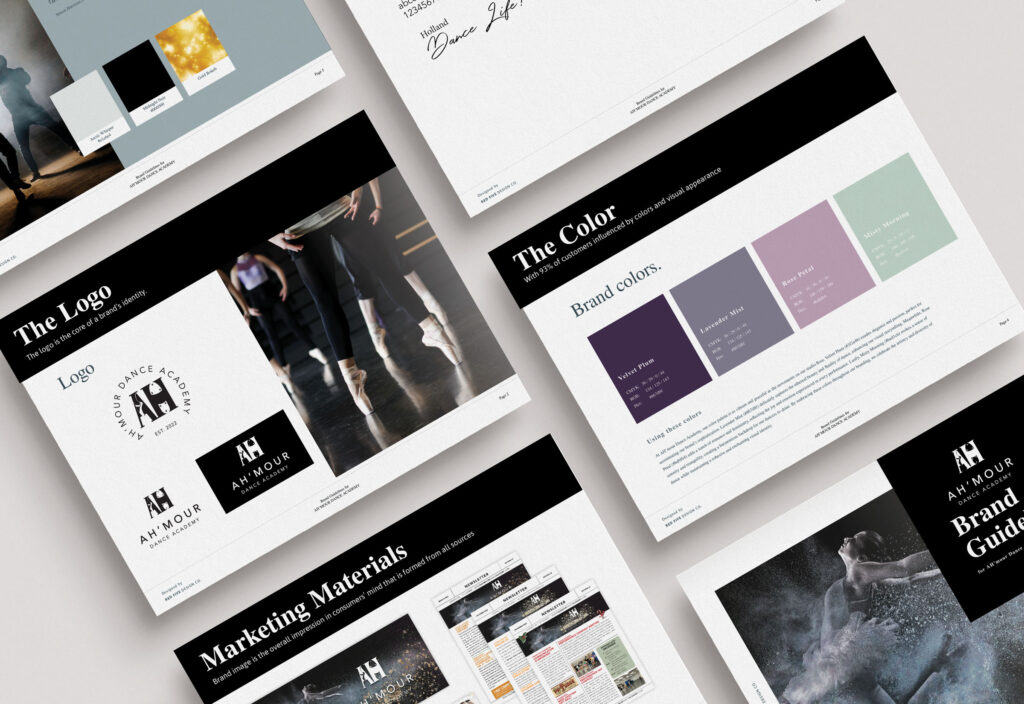
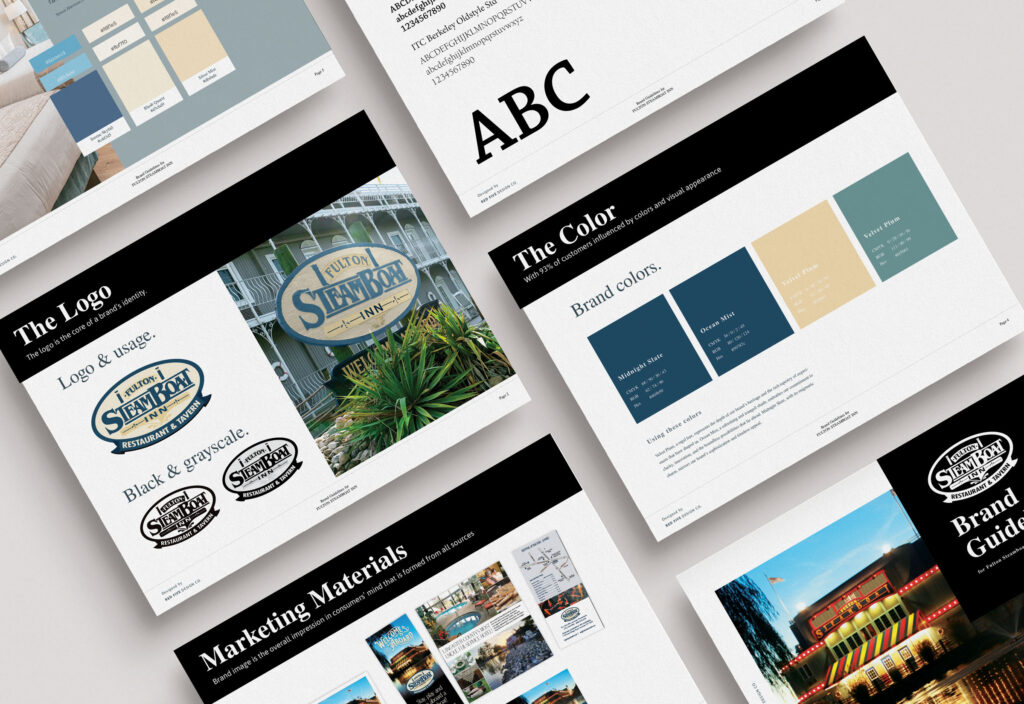
Brand consistency across social media, email marketing, print materials, and websites increases trust and recall. When customers repeatedly see the same visual language, they begin to associate those visuals with your brand.
When fonts shift, layouts vary, colors drift, and hierarchy changes from piece to piece, marketing impact declines.
Inconsistent branding:
• Reduces recognition
• Weakens authority
• Makes campaigns feel disconnected
• Forces marketing to work harder for the same results
Design consistency is not decorative.
It is strategic.
Businesses that maintain strong visual systems often see stronger engagement, better campaign performance, and higher brand recognition over time.
DIY Design Often Sacrifices Visual Hierarchy and Clarity
Professional graphic design follows structured principles that guide how information is presented.
Professional principles include:
• Clear typography hierarchy
• Intentional spacing
• Balanced alignment
• Controlled white space
• Consistent layout systems
Without professional design training, marketing materials often become:
• Visually crowded
• Harder to scan
• Less persuasive
• Inconsistent in tone
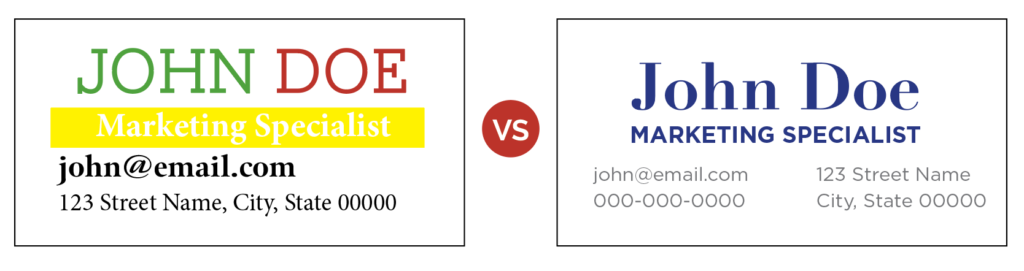
Marketing performance suffers when audiences must work to understand your message.
Good design reduces cognitive load.
It guides attention intentionally.
It supports conversion.
When visual hierarchy is strong, audiences quickly understand what matters most and what action they should take next.
Template-Based Design Tools Create Hidden Technical Limitations
Many DIY design platforms prioritize speed and accessibility over professional production standards.
Tools like Canva make it easy to assemble marketing graphics quickly. However, they often introduce technical limitations that businesses discover later.
One of the most common issues appears with logo design.
Professional logos are created as vector files, which means they can scale infinitely without losing quality. Vector formats allow a logo to be used on everything from a business card to a large sign, vehicle wrap, or storefront display.
Many template-based design tools export logos as PNG or JPG files, which are raster images.
Raster images are made of pixels.
When these files are enlarged for signage, embroidery, packaging, or large-format printing, the image becomes soft, blurry, or pixelated.
Businesses often discover this problem when they need their logo for:
• Storefront signage
• Branded merchandise
• Trade show displays
• Packaging and labels
• Print advertising
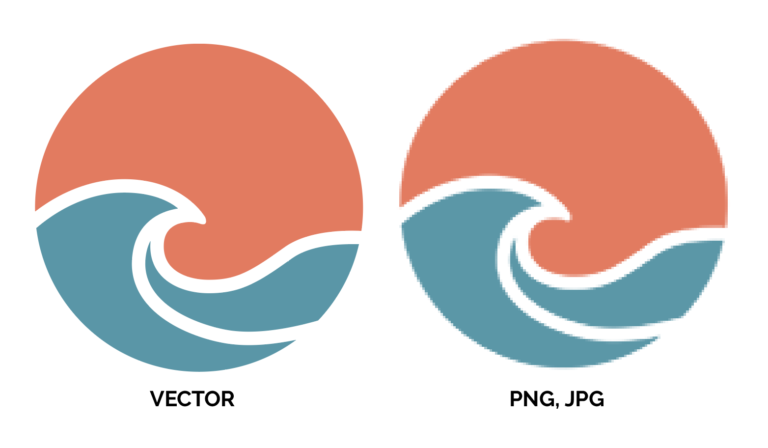
At that point, the original file is unusable, and the logo must be recreated as a vector graphic before it can be used professionally.
What initially felt like a quick solution becomes an additional design expense later.
Professional designers create brand assets in the correct formats from the beginning, ensuring the brand can scale across every marketing channel without technical limitations.
The Opportunity Cost of Trial-and-Error Design
DIY design rarely shows its cost on a balance sheet.
Instead, it absorbs time.
Business owners and teams without design training often spend hours:
• Testing fonts
• Adjusting spacing
• Revising layouts
• Reworking graphics
• Fixing issues after publishing
Time spent figuring out design is time not spent on revenue-generating strategy.
The opportunity cost compounds quickly.
Businesses that work with professional designers operate from established design systems rather than starting from scratch with every marketing piece. Campaigns move faster because typography, layouts, and brand standards are already defined.
Instead of troubleshooting design decisions, businesses can focus on strategy while a professional designer ensures every marketing asset maintains a consistent and polished presentation.
Redesign Is More Expensive Than Doing It Well the First Time
One of the most overlooked costs of DIY design is correction.
Growing businesses that begin without strong visual standards often require:
• Rebranding
• Template overhauls
• Website redesigns
• Marketing refreshes
Redoing work costs significantly more than building a strong design foundation from the beginning.
Working with a professional designer reduces the need for future correction.
It protects brand equity long-term and ensures that brand assets remain usable as the business grows.
Professional Design Strengthens Marketing Results
Strategic design supports marketing performance by:
• Improving clarity
• Strengthening calls to action
• Increasing visual recognition
• Maintaining brand consistency
• Enhancing perceived value
Design is not decoration.
It is a business asset.
Many growing businesses benefit from working with a professional graphic designer who understands their brand and supports their marketing as an ongoing partner. This approach provides consistent design expertise without the cost or complexity of hiring an in-house designer.
Growing businesses do not need more graphics.
They need design executed at a professional standard that supports the marketing they are already investing in.
Evaluate Your Brand’s Design Readiness
If you’re unsure whether DIY design is affecting your marketing performance, consider evaluating how consistent and scalable your current design assets are.
A strong brand foundation should include:
• Consistent visual identity
• Clear typography hierarchy
• Professional logo files in vector format
• Reusable marketing templates
• Cohesive visual branding across platforms
Many growing businesses discover that their marketing challenges are not strategic—they are visual consistency issues.
Not Sure If It’s Time to Move Beyond DIY?
Before investing more time into DIY design, it’s worth evaluating whether your brand foundation is supporting your marketing goals.
The assessment reviews:
• Brand consistency
• Marketing cohesion
• Visual hierarchy
• Internal design readiness
Download it and see whether DIY design may be quietly limiting your brand’s marketing potential.
If the assessment reveals gaps in your brand consistency or marketing design, partnering with a professional designer can help bring clarity, consistency, and long-term scalability to your brand.